
Suet vs Bird Seed: What to Feed and When
Suet or seed? How they differ on the birds they draw, summer feeding, feeders, and upkeep, using two Kaytee products as examples.
 Updated November 1, 2026
Suet vs bird seed is less a contest than a question of timing and guests. Seed is the year-round base: it feeds the widest range of feeder birds, from finches and sparrows to cardinals and doves. Suet adds birds that seed alone may miss; Project FeederWatch calls it a good choice for attracting insect-eating birds. Our short answer: keep seed out all year, add suet in the cool months, and take the suet down when hot weather arrives, which is the cautious reading of the sources below.
To keep the comparison concrete, we use one product of each from the same maker, so their labels compare directly: the Kaytee Suet and Seed High Energy cake, a single 11.75 oz cake, and Kaytee Songbird Blend, a 7 lb bag of seed, according to their Amazon listings. This comparison is based on research, not our own product trials. It draws on both listings, Kaytee’s product pages, the owner reviews posted on the seed listing, and published guidance from Audubon, FeederWatch, the National Wildlife Federation, the U.S. Fish and Wildlife Service, the Missouri Department of Conservation, and the Penn State, University of Arkansas, and University of Illinois extension services.
This comparison covers choosing food for backyard feeders. It is not advice on caring for sick or injured birds; if you find one, contact a licensed wildlife rehabilitator or your state wildlife agency.
We earn a commission from qualifying purchases made through links on this page. Commissions never affect our rankings or FeederBirdLab Scores.

Kaytee Suet and Seed High Energy Suet


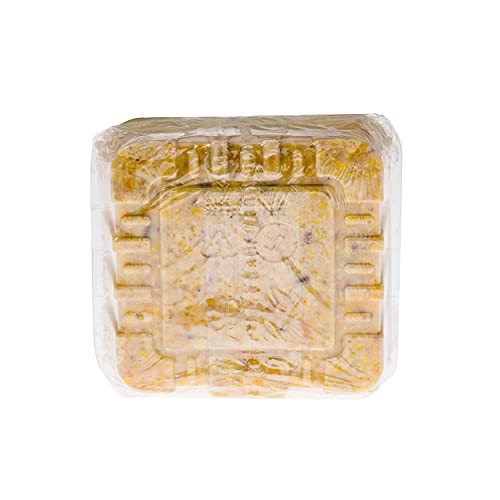
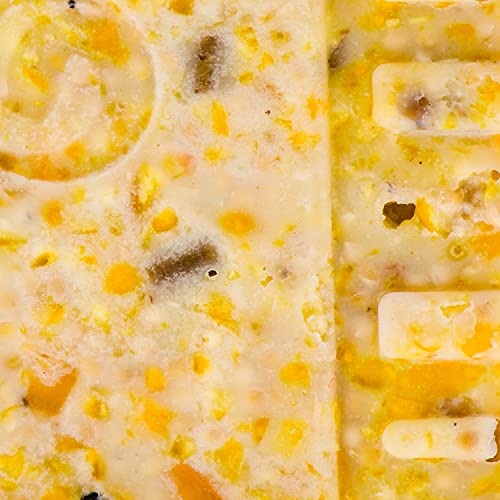
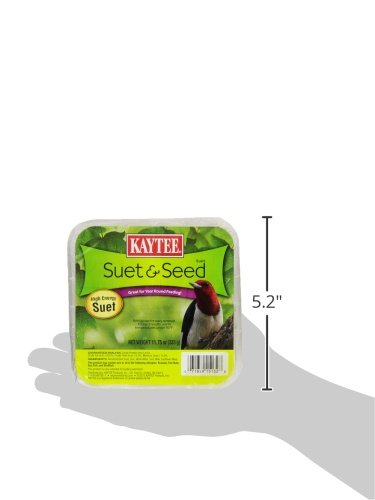


As an Amazon Associate we earn from qualifying purchases.

Kaytee Songbird Blend




As an Amazon Associate we earn from qualifying purchases.
Suet vs Bird Seed at a Glance
Both products are Kaytee’s, and both of Kaytee’s product pages print a guaranteed analysis, so the figures below come from one maker’s labels.
| Detail | Kaytee Suet and Seed High Energy (suet) | Kaytee Songbird Blend (seed) |
|---|---|---|
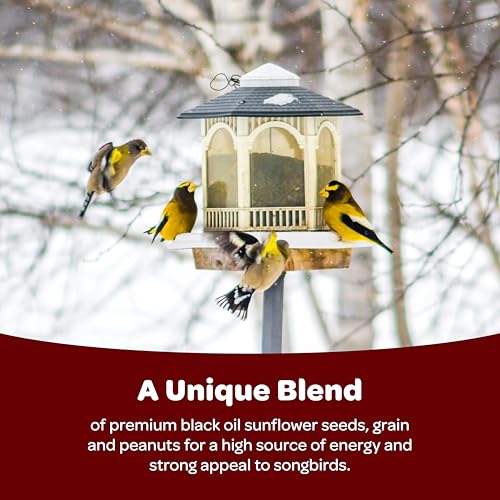
| Ingredients | Rendered beef suet, corn, white millet, black sunflower (Kaytee) | Black oil sunflower, cracked corn, millet, peanuts, striped sunflower, soybean oil (Kaytee) |
| Guaranteed analysis | Crude fat at least 30.0%, crude protein at least 4.0%, crude fiber at most 12.0% (Kaytee) | Crude fat at least 22.0%, crude protein at least 11.0%, crude fiber at most 10.0% (Kaytee) |
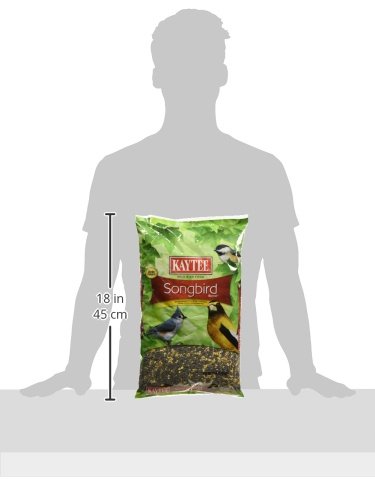
| Size on this listing | One 11.75 oz cake | 7 lb bag |
| Feeder | Comes in a tray that slips into the Kaytee Feeder Station (listing and Kaytee) | None named in the listing |
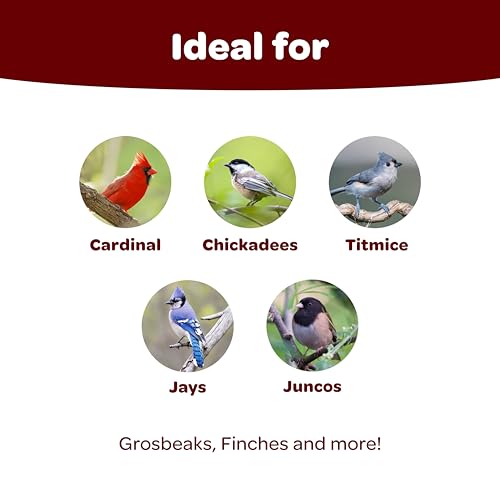
| Birds named | None named in the listing | Cardinals, chickadees, titmice, finches, nuthatches, grosbeaks, juncos, Indigo Buntings, jays (listing) |
| Season | “Great for year-round feeding” (listing); “often preferred during warmer months” because it is less messy (Kaytee) | Formulated to attract songbirds year-round (listing and Kaytee) |
| Melt claim | None in the listing or on Kaytee’s page | Not applicable |
Two things stand out. The suet cake is not pure fat: its first ingredient is rendered beef suet, but corn, millet, and sunflower follow, so it is part seed. And the gap in guaranteed fat between the two is smaller than the names suggest, at least 30.0% for the cake against at least 22.0% for the seed blend. Those are minimums printed for labeling, not measured averages. The seed blend guarantees more protein.
Which Birds Eat Suet and Which Eat Seed
The clearest side-by-side we found is the species table in a winter feeding guide from Penn State Extension. It lists suet as a preferred food for Black-capped Chickadee, Blue Jay, Carolina Wren, downy and hairy woodpeckers, Red-bellied Woodpecker, both nuthatches, Tufted Titmouse, and European Starling. Every one of those except the Carolina Wren also has sunflower seed in its row; the wren is listed for peanut butter and suet only. The seed-only rows are the finches, sparrows, juncos, Mourning Dove, grackle, cowbird, and Northern Cardinal, none of which lists suet.
So most suet birds will also come to seed, but the reverse is not true: put out only suet and you lose the finches, sparrows, and doves. The Missouri Department of Conservation adds Carolina wrens, Ruby-crowned Kinglets, and bluebirds to the birds that may visit suet. The table is a preference list, not a rule: in a University of Illinois Extension blog post, Christopher Enroth, who feeds only suet and only in winter, reports woodpeckers, chickadees, nuthatches, Blue Jays, titmice, wrens, and even cardinals at it.
Owners of the Songbird Blend describe quick results: one reports eight new kinds of birds at the feeders by the third day, and another saw cardinals, chickadees, titmice, and nuthatches within a day.
Season by Season: When Suet Makes Sense
Winter. The sources we read agree that this is suet’s season. Penn State calls suet highly sought-after in winter, and the U.S. Fish and Wildlife Service says suet and peanut butter are high-energy foods best used during winter months, since both can melt and turn rancid in warm weather. Missouri says suet can provide calories to help keep birds warm in winter. Seed belongs out in winter too; the two work side by side.
Spring and fall. The Audubon Guide to Bird Feeding says suet is particularly helpful during cold weather and migration, when birds need extra fat reserves. Missouri says suet can help meet the high-energy demands of egg-laying in the breeding season, though, as the next paragraph shows, it advises against suet in summer. Our reading: spring and fall sit in between, and a warm spell calls for the same caution as summer.
Summer. The sources split here, and Audubon’s own materials land on both sides. On the cautious side, Missouri does not recommend suet in summer, since it often turns rancid in warm weather and can soften enough to rub off on feathers. Audubon’s feeding tips limit suet to cool weather for much the same reason, warning that dripping fat can harm the waterproofing of feathers. The University of Arkansas Cooperative Extension Service says suet feeders do best in cold or freezing temperatures, because raw suet turns rancid as it warms.
On the permissive side, the Audubon Guide to Bird Feeding notes that no-melt cakes are now sold for warmer weather, and the National Wildlife Federation recommends all-weather suet hung in shade during hot spells. FeederWatch and Penn State sit in between: FeederWatch warns that suet not specially processed may go rancid in heat, and Penn State says processed cakes are made to resist turning rancid in warmer weather. For this cake, Kaytee’s page says it is often preferred in warmer months because it is less messy, and the listing calls it great for year-round feeding; neither describes it as melt-resistant.
Our default is the cautious one: when the weather turns hot, take the suet down and let seed carry the feeder. If you keep feeding suet through warm weather anyway, use a cake sold as no-melt, hang it in the shade, and remove it as soon as it softens, drips, or smells off. Kaytee and the listing present the Suet and Seed cake as a year-round or warm-month food, but since it makes no melt claim, we would still keep it for cool weather. That is our cautious reading, not the maker’s.
Audubon and Missouri both suggest a peanut butter and cornmeal mix as a summer substitute for suet. Arkansas disagrees about peanut butter in summer: it says soft peanut butter can stick to birds’ mouths and transfer oil to feathers, and to avoid it in summer months because the oil can reach eggs. Given that conflict, we would not add a peanut butter mix in summer either; seed is the simpler swap.
Seed Through the Warm Months
Seed has no melting problem, but summer still changes the routine. Penn State notes that feeder use is usually low in summer and fall because natural foods are abundant. Our reading is that this argues for filling feeders partway and refilling more often, so seed does not sit. The Audubon guide says to clean feeders more often if they are used during humid summers, and the National Wildlife Federation article calls clean feeders particularly important in summer. Arkansas advises against piling seed, since mold and harmful bacteria can develop. Kaytee’s pages for both products say to discard old food before refilling.
The payoff is the birds. The NWF article points out that summer brings species absent in winter, such as Rose-breasted and Black-headed Grosbeaks, and grosbeaks are among the target birds the Songbird Blend listing names. Where black bears are common, though, the NWF article’s update notes that leaving feeders up in summer may not be a good idea, and Penn State warns that bears leaving hibernation in early spring are often drawn to feeders.
Feeders: What Each Food Needs
Suet needs its own holder, so choosing suet for bird feeder use starts with what you hang it in. The Kaytee cake comes in a tray that slips into the Kaytee Feeder Station, per the listing and Kaytee, and Kaytee says refrigerated or frozen suet makes filling that station nearly mess-free. With a standard wire cage, check the cake’s size against the cage before you buy. Buying a cage and cakes together is the simple way to make them match, since even the best suet feeder does no good if the cake will not close inside it. Audubon’s feeding tips suggest hanging suet at least five feet from the ground to keep it away from dogs.
Seed is more flexible. The Songbird Blend listing names no feeder type. It contains peanuts and striped sunflower, so check them against the ports before you fill a narrow-port tube; a hopper or tray avoids the question. Corn and millet also tend to end up on the ground: FeederWatch says cracked corn attracts doves, quail, and sparrows, and millet is favored by many smaller ground-foraging birds. One feeder can hold both foods; some combination feeders pair a seed hopper with suet cages, which suits a small yard with one pole.
Effort and Upkeep
We compare cost here as work, not price, because prices change. Suet is the low-effort food day to day: you slide a cake into the holder and replace it when it is gone. The work is seasonal. You have to watch it in warm spells and take it down when the weather turns hot.
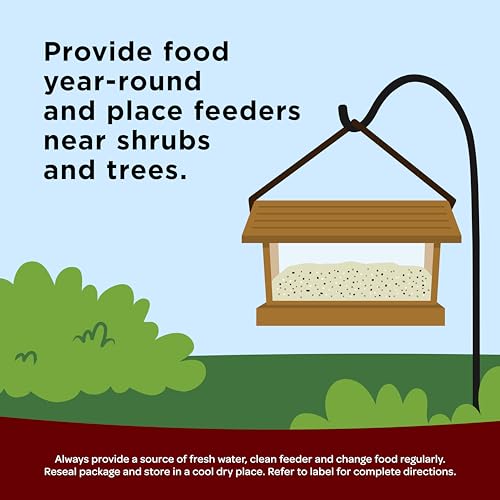
Seed takes more routine work. Whole sunflower leaves hulls; Penn State says birds crack sunflower seeds for the hearts and drop the hulls on the ground, creating a mess under the feeder. A blend with corn and millet adds birds that feed on the ground below. A 7 lb bag also needs storage: Kaytee says to reseal the package and keep it in a cool, dry place, preferably in a sealed container, to protect against insects. In exchange, seed works all year and draws more species.
Which Should You Buy?
- Start with seed if you are setting up your first feeder, want finches, sparrows, cardinals, and doves, or want one food you can leave out all year.
- Add suet from fall through spring if woodpeckers, nuthatches, chickadees, titmice, or wrens are the birds you want more of, and you can check the feeder during warm spells.
- Choose suet alone only if you mainly want clinging birds such as woodpeckers and nuthatches, feed in cool weather, and accept that the seed-only birds will not come.
- In summer, keep the seed feeder, take the suet down, and clean more often.
Who Should Look Elsewhere
Skip the Kaytee Suet and Seed cake if you plan to feed suet in hot weather, since it makes no melt claim, or if you do not own a Kaytee Feeder Station and are not sure the cake fits your cage. Skip suet in general if European Starlings already crowd your feeders, since Penn State lists suet among their preferred foods, or if you cannot check a suet feeder during warm spells.
Skip Kaytee Songbird Blend if you want a food with no shells to sweep up, or if you want only clinging birds at a suet feeder, since its corn and millet bring ground-feeding birds. Skip it too if you want a mix with stated proportions; the listing gives none.
Why You Should Trust Us
We do not conduct our own product trials; our picks draw on published specifications, independent reviews, and Amazon owner ratings, which also set each product’s FeederBirdLab Score. For this comparison we read the Amazon listings for these two exact products, the owner reviews on the seed listing, Kaytee’s product pages for both, and the feeding guidance from Audubon, FeederWatch, the National Wildlife Federation, the U.S. Fish and Wildlife Service, the Missouri Department of Conservation, and the Penn State, University of Arkansas, and University of Illinois extension services linked above. Where they disagree on summer suet, we say so and follow the more cautious advice. Commissions from purchases made through our links never change what we recommend or how we score a product. Our full method is on the How We Review page.
Final Verdict
Seed is the food to start with and keep: it feeds the most species and works in every season. Kaytee Songbird Blend is a blend of two kinds of sunflower with corn, millet, and peanuts, per Kaytee, and its corn and millet also feed the birds on the ground below. Suet is the add-on for the cool months, when it brings in woodpeckers, nuthatches, and wrens that seed may not hold. Kaytee Suet and Seed High Energy is a single cake, an easy way to see which suet birds your yard has before you buy more, but it makes no melt claim, so by our cautious reading it is a cool-weather cake. For more seed and suet options, browse the Bird Food section.
Frequently Asked Questions
Is suet better than bird seed?
Neither is better overall; they feed different birds. Seed feeds the widest range, including finches, sparrows, doves, and cardinals, which Penn State’s table lists for seed but not suet. Suet adds insect-eating birds such as woodpeckers and wrens. For most yards, seed is the base and suet the cool-weather extra.
Do you feed birds suet in the summer?
By our cautious default, no. Audubon’s feeding tips and the Missouri Department of Conservation advise against suet in hot weather because it can turn rancid and soft fat can foul feathers. The National Wildlife Federation instead suggests all-weather suet in the shade. If you feed suet in summer, use a cake sold as no-melt and remove it when it softens.
When should I stop feeding birds suet?
When the weather turns hot, or sooner if a cake softens, drips, or smells off. None of the sources we read gives a single temperature, so watch the cake rather than the calendar. Penn State also notes that feeder use drops once spring brings insects and natural foods back, and that bears leaving hibernation in early spring are often drawn to feeders.
Do the same birds eat suet and seed?
Many do. In Penn State’s table, chickadees, Blue Jays, nuthatches, titmice, and the common woodpeckers list both suet and sunflower seed. The finches, sparrows, juncos, and doves list seed only, and the Carolina Wren is listed for peanut butter and suet only.
About the author

Eric Hunter is a North Carolina-based backyard birding enthusiast with nine years of experience observing birds and maintaining feeding stations. A freelance editor by trade, Eric combines an interest in bird behavior with practical research into feeders, seed mixes, and mounting accessories. As Editor-in-Chief, Eric oversees editorial standards and reviews articles for clarity, reliable sourcing, and useful guidance for backyard birders.